



What We Treat
Specialized pediatric physical therapy for infants and children with torticollis, plagiocephaly, gross motor delays, and developmental concerns.

Torticollis
-
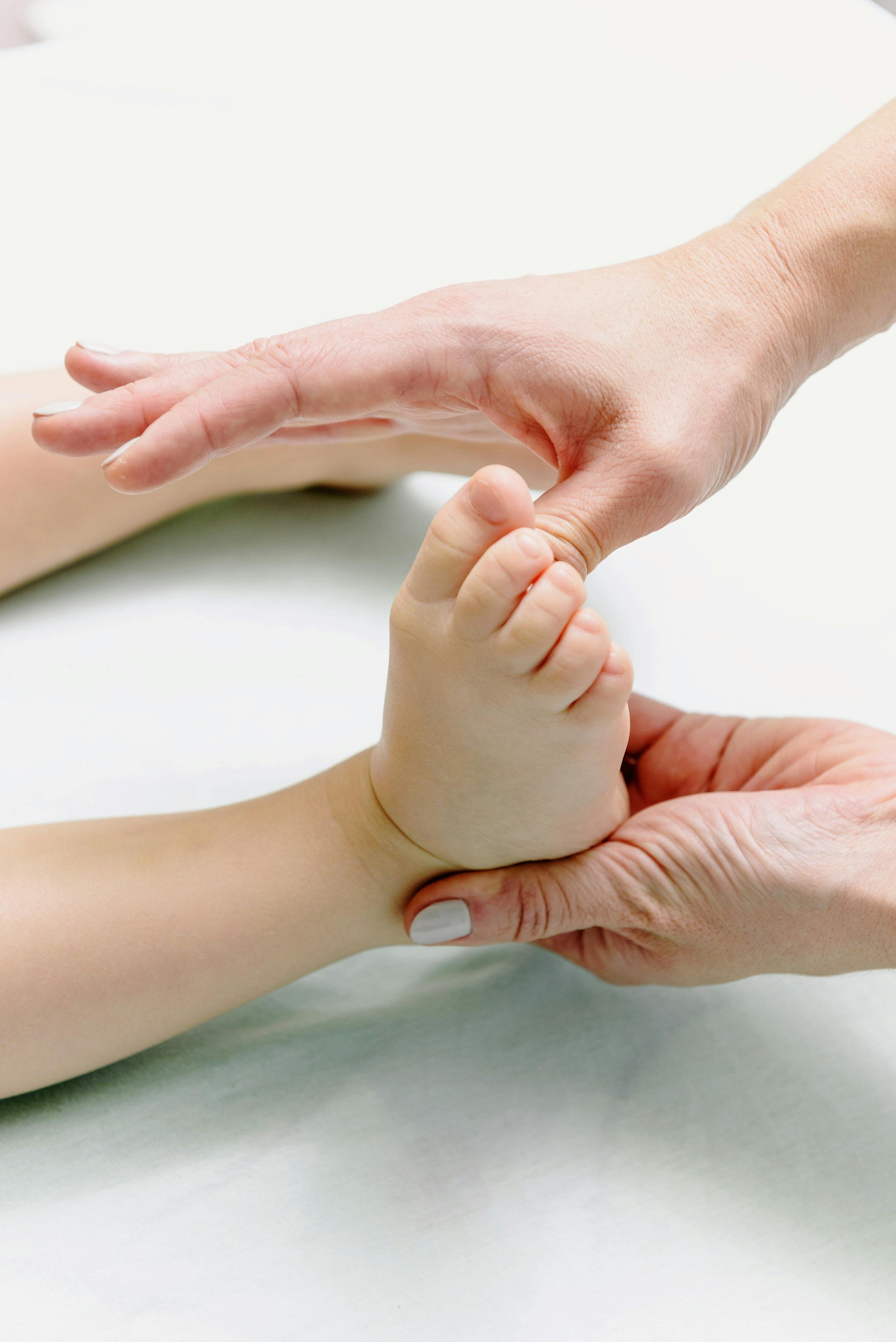
Torticollis is a term that describes asymmetrical posturing of the head and neck. With torticollis babies commonly have their head tilted to one side or turn more easily in one direction.
-
It is often caused by tightness in the neck or trunk musculature. This tightness might have developed because of the way your baby was positioned in the uterus or because of trauma to the muscle during delivery. Babies can also develop torticollis in the first few months of life commonly from the way the head is positioned at home. In rare cases a child can develop torticollis because of another condition.
-
With early detection and treatment, torticollis can be resolved with physical therapy. In physical therapy we will teach you stretches, positioning techniques and strengthening activities to complete with your baby. The younger your baby, the easier treatment will be for both you and your baby.
Plagiocephaly
-
A condition found in babies distinguished by the skull being misshaped or flattened. The incidence of plagiocephaly has significantly increased since the "Back to Sleep" campaign was introduced in the early 1990's.
-
Plagiocephaly is commonly a result of pressure being applied to the same part of a babies thin and malleable (flexible) skull. This may be a result of many scenarios including:
Torticollis
Prematurity
Positioning in the womb
Weakness
Positioning with sleeping
Positioning in car seats, swings and bouncy seats
-
Through pediatric physical therapy, babies can improve head and neck movement, build strength, increase tolerance for tummy time, and develop more symmetrical movement patterns. Treatment may include repositioning strategies, tummy time support, strengthening activities, parent education, and a customized home program to help reduce pressure on the flattened area while supporting healthy motor development.
Early treatment is helpful because babies grow quickly, and the skull is most responsive to positioning and movement changes during the first few months of life. A pediatric physical therapist can also help determine whether repositioning therapy is appropriate or whether a referral for additional head shape evaluation, such as a cranial orthotic/helmet consultation, may be recommended.
Gross Motor Delay
-
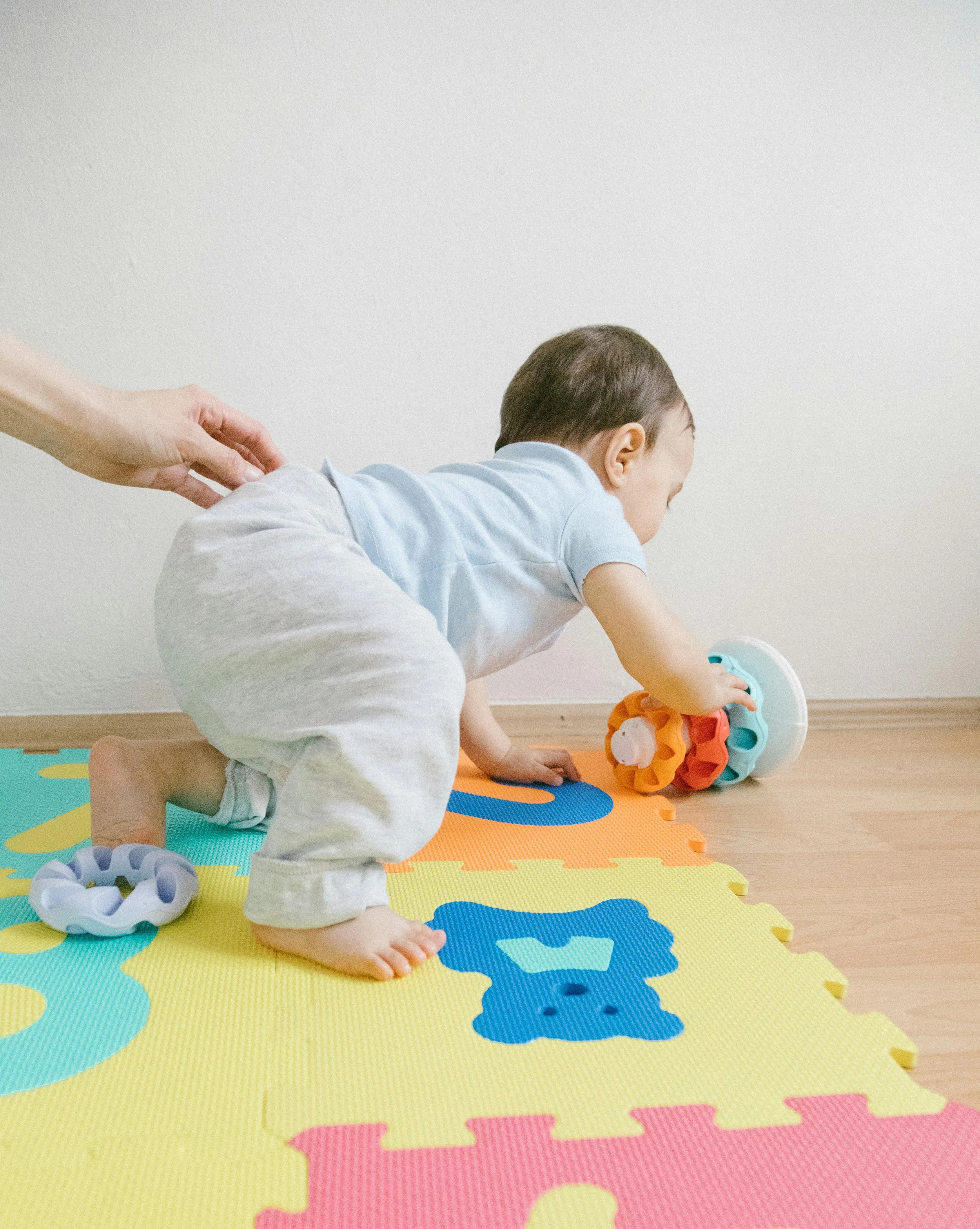
Gross motor delay occurs when a child is not meeting typical milestones for movement and coordination, such as rolling, sitting, crawling, standing, or walking. Each child develops at their own pace, but delays may indicate a need for extra support.
-
Muscle weakness or low muscle tone
Some children need more time to build strength and stability.Limited opportunities for movement
Less time on the floor (like tummy time) can slow development of key skills.Prematurity
Babies born early may reach milestones later than full-term babies.Torticollis or head positioning preferences
Tightness in the neck can affect how a baby moves and explores.Coordination or balance challenges
Some children take longer to develop control over their movements.Underlying medical or developmental conditions
In some cases, delays may be linked to a broader diagnosis.
-
Treatment for gross motor delay is individualized for each child and often takes place through fun, play-based activities. With guidance from a pediatric physical therapist, children can improve their strength, coordination, and confidence while working toward age-appropriate milestones. Parents are also given easy strategies to support progress at home.
Give Your Child the Care They Deserve
Personalized pediatric physical therapy — right in the comfort of your home